Skip to content
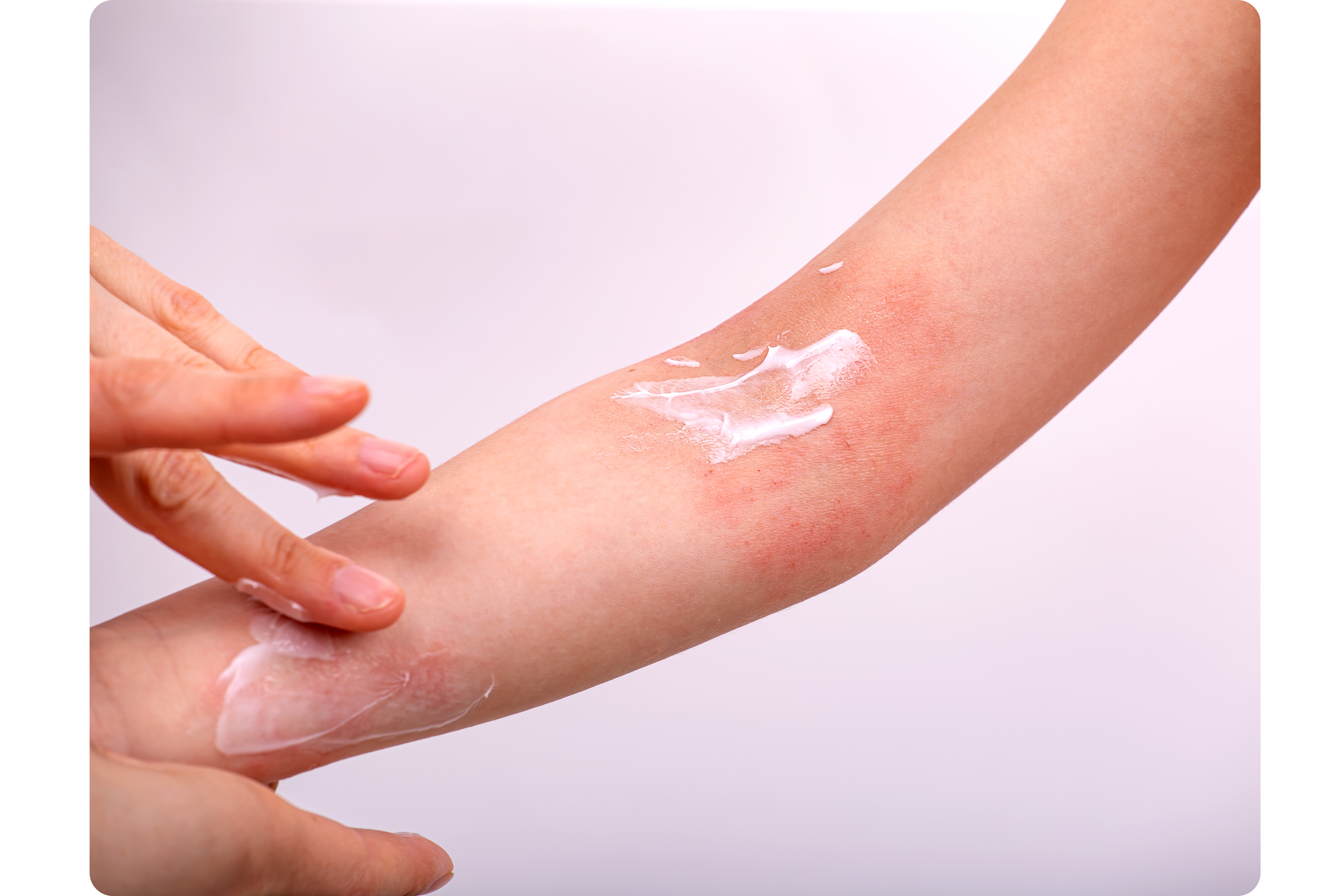
ointment applied on the skin
Formulation Development

Topical 101: A Guide to Complex Dermatology Formulation Development

Scientific Team
Scientific Team |
Topical 101: A Guide to Complex Dermatology Pharmaceutical Products
12:29

A topical cream may appear simple on the shelf, but behind the scenes, it's a sophisticated pharmaceutical achievement. Whether it's a lotion, ointment, or gel, each formulation is a carefully engineered drug delivery system.
 
In dermatology, the success of a treatment often hinges not just on the active ingredient, but on the formulation itself. The texture, absorption rate, and stability all play a critical role in determining whether a therapy is effective, tolerated, and successful.
 
The stakes are high. Dermatological diseases are among the most common medical conditions worldwide, with skin disorders affecting up to 1.9 billion people. This scale drives demand for effective treatments, but it also highlights how complex formulation challenges can delay or hinder the development of promising therapies.
 
The global topical drug delivery market reflects this urgency: it was valued at $124.29 billion in 2024 and is projected to reach $299.58 billion by 2034 at a CAGR of 9.14%. Within that growth lie opportunities and risks.
 
This article breaks down the science, the challenges, and the practical considerations of topical and transdermal drug delivery. More importantly, it explores how strategic formulation development choices can make the difference between regulatory approval and costly delays.
 

1. The Science Behind the Topical Delivery

Let's say that early in a development program, a pharmaceutical company optimized the API for potency, but when scaled to a larger clinical batch, the emulsion separated after a few weeks at room temperature. It passed early tests but failed at stability, and that alone delayed Phase II by six months.
 
That kind of failure highlights the true nature of a topical formulation: it isn't just a mix of ingredients, but a precisely engineered delivery system. A successful formulation protects the API, delivers it effectively, remains stable and safe, is user-friendly, and scalable, all while complying with regulations.
 
How these goals are achieved often depends on the chosen delivery route, each with its own formulation challenges and therapeutic advantages.
 

1.1 Delivery routes: topical, dermal, transdermal

There are three overlapping but distinct goals when putting a drug on the skin:
 
▪️Topical (surface-level): Target the outer skin layers or skin surface, e.g., to treat fungal infections or rare pathogens on skin.
▪️Dermal (local effect): The drug penetrates the epidermis or dermis to treat conditions like psoriasis, eczema, or localized inflammation. Minimal systemic exposure is acceptable or desired.
▪️Transdermal (systemic delivery): The drug must cross the skin barrier and reach systemic circulation, often to deliver drugs chronically while avoiding injections or oral metabolism.
 
 
Each route of administration presents different physical/chemical barriers, that's because the outermost layer of skin, the stratum corneum, is highly effective at keeping substances out.
 
The effectiveness of penetration depends on several factors, including molecule size, polarity, solubility, partition coefficient, and the vehicle used. To ensure formulation properties translate effectively into real-world outcomes, both patient use protocols and regulatory tests, such as IVPT and IVRT, must be tailored to the intended route of administration.
 
It’s estimated that fewer than 1% of small molecules can permeate the skin effectively without formulation support. This is why formulation development is not simply about solubilizing an API; it’s about engineering penetration enhancers, carriers, or vehicles that enable the desired effect while maintaining safety.
 

1.2 Key Trends Topical Sponsors Can't Afford to Miss

The topical drug development space is undergoing rapid transformation, driven by delivery route strategies that respond to patient expectations, regulatory demands, and technological advances. These shifts are influencing how companies approach formulation, testing, and commercialization.
 
Here are a few key trends that are actively shaping business decisions in topical development:

▪️Regulatory scrutiny: Dermal absorption can lead to systemic exposure, which may increase regulatory requirements focused on ensuring safety and generating robust pharmacokinetic data.
▪️Leadership in semi-solid formulations: In 2024, semi-solid products captured 61.9% of drug  market revenue, driven by their versatility, ease of application, and effectiveness in delivering active ingredients directly to the skin. 
▪️Dominance of dermal delivery: Dermal drug delivery accounted for 54.1% of the topical drugs market in 2024, supported by its targeted treatment capabilities, user-friendly application, and enhanced patient compliance.


2. Dermatology Formulation: The Right Vehicle for the Right API

Formulation is never a one-size-fits-all exercise. Choosing the right one is not merely a technical detail; it's a strategic decision that influences effectiveness & safety, patient adherence, stability, and regulatory compliance.
 
Whether the formulation is semi-solid or liquid, the choice of vehicle plays a critical role in delivering the API effectively and supporting consistent patient use.
 

Table 1. Common Semi-Solid Vehicles and Their Role

Vehicle Usage Example Key Strenght Main Challenge
Creams Antifungal creams, anti-analgesic creams, anti-acne cream
- Balanced hydration, cosmetically elegant
- Hydrophilic/Lipophilic balance improves the stability of the API as well as drug delivery
Less occlusive than ointments, emulsionmaking
- Emulsion stability over time
- Maintain API evenly dispersed or dissolved in the cream matrix
Gels Anti-acne gel, pain relief gel, transdermal gel, scalp conditions
- Non-greasy, fast release
- Improves adherence to the skin
- Residue-free  
- Cooling effect
Limited occlusivity, stability issues
- Rheology modifiers dispersion and shear sensitivity
- Maintain the API evenly dispersed or dissolved, especially in low-potency drug gel
- Air entrapment in the finished product
Pastes Diaper rash, protective barriers Strong adhesion, protective film, reduced irritation, high occlusiveness
- Complex manufacturing and filling process
- Heat process and control to improve flow
- Separation issue over time
- Inconsistent fills  (air pockets
Lotions Large surface areas, scalp lotion, antiseptic lotion, anti-inflammatory lotion
- Easy to spread, light feel
- Quick drying
- Versatile drug carrier
- Emulsion instability
- API uniformity
- Filling variability (micro air bubbles)
Ointments Psoriasis, chronic dry skin, eczema, burns, dermatitis
Occlusive, maximizes hydration
- Excellent moisturizer, reduces inflammation and itching
- Enhance API absorption through the skin
-  Lipophilic ointment base protects API from degradation and allows for delivery target
Greasy feel reduces compliance
- Rheology and texture variabilities
- Continuous manufacturing process that requires hot process filling
- Maintain API homogeneity during the manufacturing and filling process


💡Case Example: In alopecia treatment, a 2025 study found that compounded  topical minoxidil formulations led to better adherence and outcomes compared with standard over-the-counter versions, showing how formulation design directly impacts patient success.


3. Key Factors in Developing a Successful Topical Formulation

Developing a dermatological formulation extends far beyond selecting between a cream, gel, or lotion. Once the therapeutic target and route of delivery are defined, success depends on achieving the right balance between scientific robustness, regulatory compliance, manufacturability, and patient experience.
 
Each component of the formulation, from excipients and process parameters to packaging compatibility, plays a decisive role in determining the product’s safety, efficacy, and overall acceptance.
 
In topical development, these dimensions are deeply interconnected: decisions made early in formulation design can influence long-term stability, regulatory outcomes, and even patient adherence. Understanding how these factors interact is essential for transforming a promising concept into a reliable, market-ready dermatological product.
 

3.1 Smart Excipient Selection

▪️Excipients: Must enhance penetration on the skin without compromising safety.
▪️Vehicle: Dictates cosmetic feel, stability, and patient preference.
▪️API-Excipient Interactions: Poor compatibility can lead to crystallization, loss of potency, or instability.
 
A 2023 review emphasized that patient-centric design, where texture, odor, and cosmetic feel are optimized, is increasingly recognized as a driver of adherence and ultimately therapeutic outcomes. Semi-solid drug products may contain excipients such as solvents, emulsifying agents, suspending agents, buffers, stabilizers, and antimicrobial preservatives.
 
They should not impact the stability, bioavailability, safety, and efficacy of the active ingredients. In addition, the choice of excipient also has an impact on the packaging of the drug product; there must be no incompatibility between any of the components of the dosage form, and there must be no interference with the responses of specified assays and tests.
 
In this case, an excipient-drug substance compatibility study is necessary for a better choice of excipient, which can affect drug release, absorption, and preservative effectiveness of the drug product.
 

3.2 Regulatory Compliance and Quality

Topical formulations must withstand rigorous stability testing to ensure product safety across climate zones. Regulatory agencies such as the FDA or EMA, for example,  scrutinize CMC documentation.
 
Recent data show that 74% of CRLs issued by the FDA between 2020 and 2024 cited quality or manufacturing deficiencies as the primary reason for non-approvals for all dosage forms, and topical products are no exception. Whether manufacturing is handled internally or outsourced to a partner, having robust quality systems in place is not optional; it is essential.


3.3 Patient Compliance

Non-adherence is a persistent barrier to therapeutic success in dermatology.
 
▪️A 2024 multicenter study in Egypt  found that adherence to topical therapy was significantly lower than to systemic therapy, largely due to regimen complexity and poor cosmetic acceptability.
▪️Earlier this year, Drug Topics highlighted how low adherence in dermatological conditions such as psoriasis, acne, and atopic dermatitis contributes to suboptimal outcomes and diminished quality of life. Treatment complexity and cost were identified as key drivers of this issue.
 
These findings underscore the importance of a dual approach in dermatological drug development: ensuring scientific efficacy while prioritizing patient-centered design. Formulations must work well and be intuitive, comfortable, and cosmetically acceptable to encourage consistent use and promote long-term outcomes.
 

3.4 Scalability and Tech Transfer

For all products, scaling up from lab-scale batches to commercial manufacturing is a pivotal moment, one that can expose gaps in process robustness, equipment compatibility, and regulatory readiness.
 
For those who choose to work with a CDMO, success depends on finding a partner with proven expertise in scalability and tech transfer.
 
An experienced CDMO should offer:
 
▪️Expertise in scaling semi-solid processes, including homogenization and particle size control.
▪️Experience in tech transfer across R&D, clinical, and commercial phases, ideally with these functions integrated at a single site to ensure smoother transitions.
▪️Automation capabilities that support consistent batch quality and reduce variability.
 
At Groupe PARIMA, for example, our facility is purpose-built with great flexibility in annual volumes, from very small to larger-size production (2,000– >1,000,000 units/year), filling a niche for innovators who require their partner to adjust to their evolving needs.
 

4. From Topical 101 to Your Next Breakthrough

Effective topical formulation development requires a multidimensional approach that considers the intrinsic properties and limitations of the API, the functional properties of the vehicle, patient safety and acceptability, and the evolving requirements of regulatory agencies.
 
These formulations require scientific precision, regulatory foresight, and patient-centered design. In this article, we have seen that:
 
▪️Topical, dermal, and transdermal delivery each present unique hurdles.
▪️Formulation types must have a balance between patient adherence, stability, and efficacy.
▪️Regulatory compliance often hinges on stability and excipient compatibility data.
▪️Adherence challenges to FDA rejections regarding quality issues underscore the need for strong partnerships with specialized CDMOs.
 
It expands on regulatory pathways, QbD approaches, and case studies of successful tech transfers in dermatology.
 
The opportunity is clear: the global market is expanding, but regulatory pressure and patient expectations are rising in parallel. Sponsors who anticipate these challenges are better positioned for success.

To get more insights into case studies, regulatory overview, and technical strategies, stay connected for our upcoming resources, designed for teams that want to move beyond the basics and into development strategies that withstand real-world analysis.
 
Acknowledgments
Contributions to this article were made by:
Naby Camara – Director of Product Development
Antoine El-Rayes – Formulation Specialist
 
 
 Our Scientific Team combines the expertise of formulation scientists, process engineers, and analytical specialists who contribute their knowledge to advance pharmaceutical drug development. Articles are curated by our marketing and communications department in collaboration with subject-matter experts.


 

Share this post