
In our previous article, we explored how early active pharmaceutical ingredient (API) characterization can reduce formulation and scale-up risks. The next step is to use the knowledge gained on the API and make the optimal formulation to deliver the drug efficiently and safely at the site of action.
Liquid and semi-solid non-sterile formulations can be made for dermal, oral, or inhalation drug products. The delivery site drives the recipe!
Bioavailability can be enhanced by the excipients chosen, concentrations, and interactions between API-excipient and excipient-excipient. The successful formulation will deliver key parameters: dose uniformity, stability, and bioavailability.
This article explores the formulation of non-sterile drug products across multiple routes of administration, including dermal formulations (topical and transdermal), oral suspensions, oral solutions and syrups, and nasal formulations.
It highlights the key formulation principles for each route to support formulation evaluation and drug development decisions.
1. How Teams Choose a Dosage Form (high‑level formulation logic)
Dosage form selection must align with the API’s properties, the intended route of administration, and the product’s quality requirements.
API properties to consider may be color, taste, solubility, pH-dependence, and stability. Certain properties may dictate the appropriate dosage form, for example, if the API is poorly soluble but liquid administration is required, an oral suspension may be preferred.
The intended route of administration is dependent on the ailment treated; for example, a nasal spray formulation can support rapid systemic absorption and, in some cases, direct delivery to the central nervous system.
The patient population targeted can also influence the selection of the dosage form; for example, an oral suspension may be better suited to pediatric or geriatric patients who have difficulty swallowing solid dosage forms.
Quality requirements ensure that the drug is effective and safe when administered as intended. For example, if systemic delivery through the skin is required for an effective treatment, a formulation will be designed to permit transdermal delivery. The safety of a drug may require a buffered solution to maintain pH and prevent degradation of the API.
Beyond scientific suitability, dosage form selection must also account for manufacturability, scalability, and long-term control of critical quality attributes. At Groupe PARIMA, formulation development is approached with this perspective, translating API characteristics into route-appropriate, scalable non-sterile dosage forms while considering process robustness from early development through scale-up.
2. Topical Formulation
Skin diseases affect the skin's structure and its functions. These vital functions include:
▪️To regulate water loss and absorption;▪️To regulate body temperature;
▪️To protect from microorganisms, chemicals, and UV light;
▪️To prevent infection by responding to the presence of bacteria and fungi; and
The drug must repair the skin structure and restore its functions. Dermal drug delivery targets the skin as an organ. The drug is applied where the disease is observed, where the skin is affected by lesions, rash, or infection.
Differently, transdermal drug delivery uses the skin as a route to deliver the drug to another system.
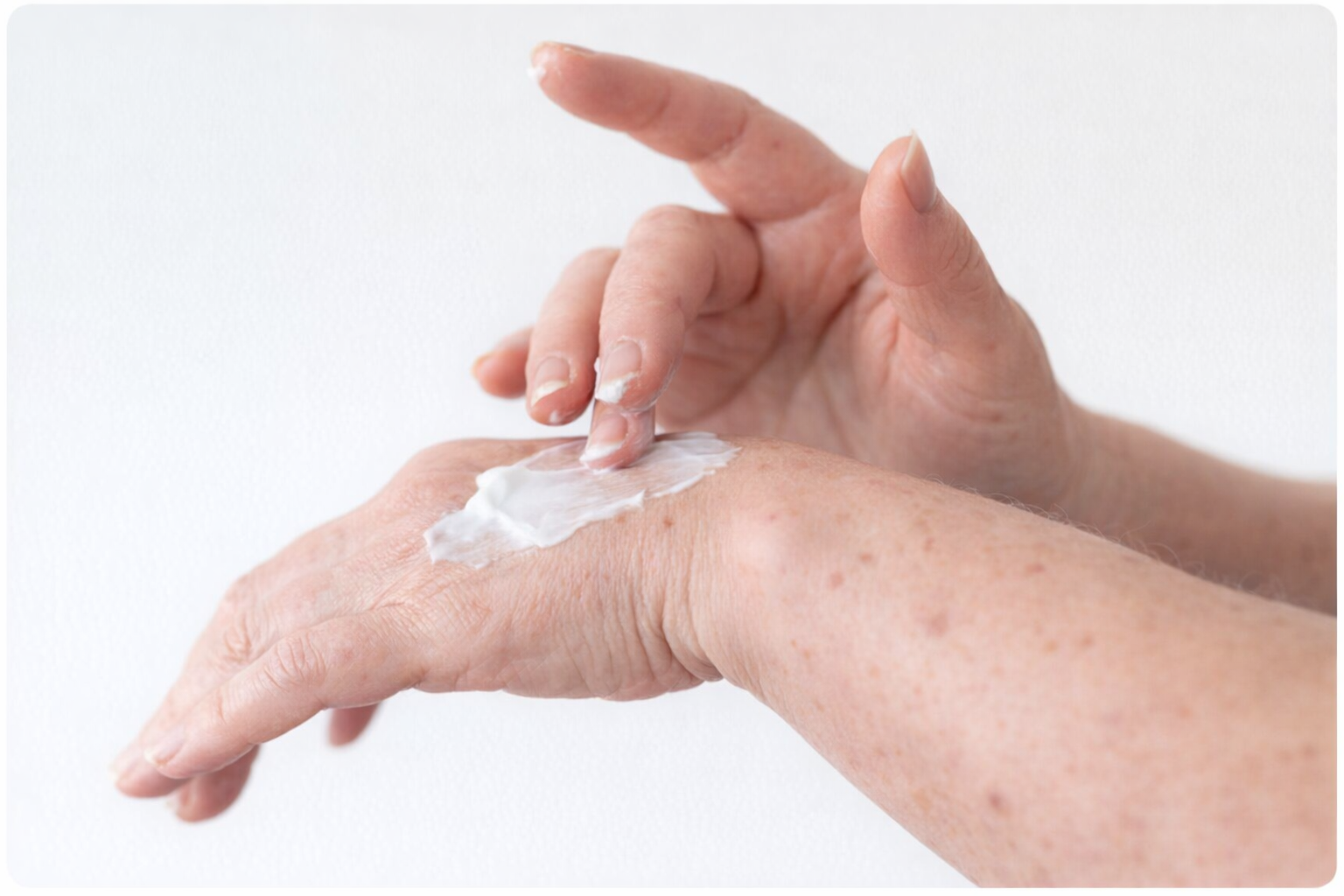
2.1 Drug Penetration Pathways
Dermal and topical are governed by a delicate thermodynamic balance to ensure drug permeation. The formulation must deliver the API into or through the stratum corneum using correctly tuned thermodynamic activity.
The drug substance must be chemically driven to leave the vehicle rather than remaining trapped in micelles or oil droplets. It should therefore have both lipophilic and hydrophilic properties, resulting, when well balanced, in a log Ko/w is between 1 and 3.
The non-ionized form of a drug, free acid or free base, is favored to penetrate the lipophilic stratum corneum. Therefore, the pH of the vehicle can be adjusted to the appropriate pH to obtain the non-ionic form of the active ingredient. A buffer system is often used to prevent ionization of the active ingredient.
Solubility of the active ingredient will influence the selection of solvent(s). As we have seen in the previous paper, the physicochemical properties of the drug substance will be a key driver of solubility, and its careful characterization will determine the options available at this stage of the project.
One solvent or a system of solvents can be used to adjust the concentration of the drug in the emulsion, suspension, or solution. Sometimes, the solvent is even a permeation enhancer, modifying the skin barrier properties to enhance the delivery of the active ingredient.
Chemical penetration enhancers (CPE) can either interact with the skin to disrupt its barrier and facilitate penetration through the stratum corneum (SC) or behave as a solvent to increase drug partitioning into the tissue. The real challenge is to penetrate the skin barrier safely using a CPE without damaging the membrane.
Although CPEs are frequently used in formulation, they often come with a tradeoff between being pharmacologically inert, non-toxic, non-irritant, non-allergenic, odorless, tasteless, colorless, inexpensive, and compatible with all formulation ingredients. It is a delicate balance between enhancement ratio and irritation potential when chemicals are used to increase skin permeability.
Another option is to use a vectorization system for topical drug delivery; for example, the formation of micelles, which can encapsulate and deliver the drug. Micelles assemble as hydrophilic spheres in polar solvent systems (ex. water) or hydrophobic spheres in non-polar solvent systems (ex. hydrocarbons). The drug is encapsulated in micelles according to its own polarity, like with like.
Therefore, drug-excipient and excipient-excipient interactions can modulate efficacy but also impact safety; their compatibilities cannot be overlooked. Poor safety profiles can prevent registration of a drug in major markets.
Validated analytical methods are used throughout the formulation process to assess the presence of impurities and degradation products; any impurity must be identified and quantified to determine safety level thresholds.
2.2 The Various Topic Forms
The choice of vehicle is guided by the nature of the active ingredient, its physical, chemical, and biological characteristics, the disease to be treated, the skin area to be covered, and the need to protect the skin barrier.
▪️ Ointment, creams, and lotions can be used to simply hydrate the skin, regulating water loss or absorption, or to enhance the skin barrier properties.
▪️ Hydrocarbon-based (oil) formulas facilitate the penetration of the active but may also leave an undesired greasy feeling on the skin. Water-based formulas can provide a more pleasant, lightweight feel on the skin; however, the high concentration of water necessitates antimicrobial preservatives.
▪️ Surfactants are used to balance the hydrophilic-lipophilic properties of the formulation.
▪️Emugels have the properties of both oil-in-water creams and gels, reducing the greasy feeling and improving drug solubility.
▪️Foams contain gases dispersed into a liquid in a pressurized container. The formulation also contains surfactants and propellants, which are essential for expelling and atomizing the solution into a fine mist or foam.
▪️Sprays contain large amounts of volatile components and may include a propellant.
Foams and sprays allow coverage of the skin without touching or minimal rubbing of the infected area, hence reducing pain or further skin irritation.
▪️Ungual formulations are designed to specifically treat nails; they contain volatile components, leaving a film on the surface of the nail. Nails have a hard keratin structure, making them difficult to treat due to their low permeability to drugs.
Regardless of the chosen vehicle, formulation optimization studies will be necessary after the identification of critical material attributes (CMA) and critical quality attributes (CQA). Analytical methods for the drug substance and excipients are developed to assess formulation robustness and support ongoing control throughout development and scale-up.
3. Oral Suspension Formulation
An oral suspension contains the solid active ingredient suspended in a liquid. This type of formulation can be used to facilitate intake for pediatric or geriatric patients, who often have difficulties swallowing solid dosage forms. Oral suspensions also have the advantage of masking an unpleasant active ingredient’s taste.
A challenge to consider is solid settling at the bottom of the bottle when the suspension is thermodynamically unstable. The settling velocity can be slowed down by reducing the suspended particle size, reducing the density difference between the suspended solid and liquid, or increasing the liquid viscosity.
Since the active pharmaceutical ingredient is generally the solid in suspension, its particle size is important because it will impact physical stability (density, viscosity, sedimentation), chemical stability, and homogeneity. A process called milling can be used to reduce the particle size of an API and to uniformize particle size distribution.
Settling oral suspensions should be re-dispersible to ensure uniform dosage, same concentration of active for the same volume of suspension, and re-dispersion upon shaking must be reproducible.
Because aqueous systems favor the growth of microorganisms, it is necessary to include anti-microbial additives in the formulation of the drug product. Microbial contamination can occur at any stage of the drug product manufacturing process or while the patient is using the drug. Antimicrobial Effectiveness Testing (AET) is necessary to establish the safety of the drug product throughout its lifecycle.
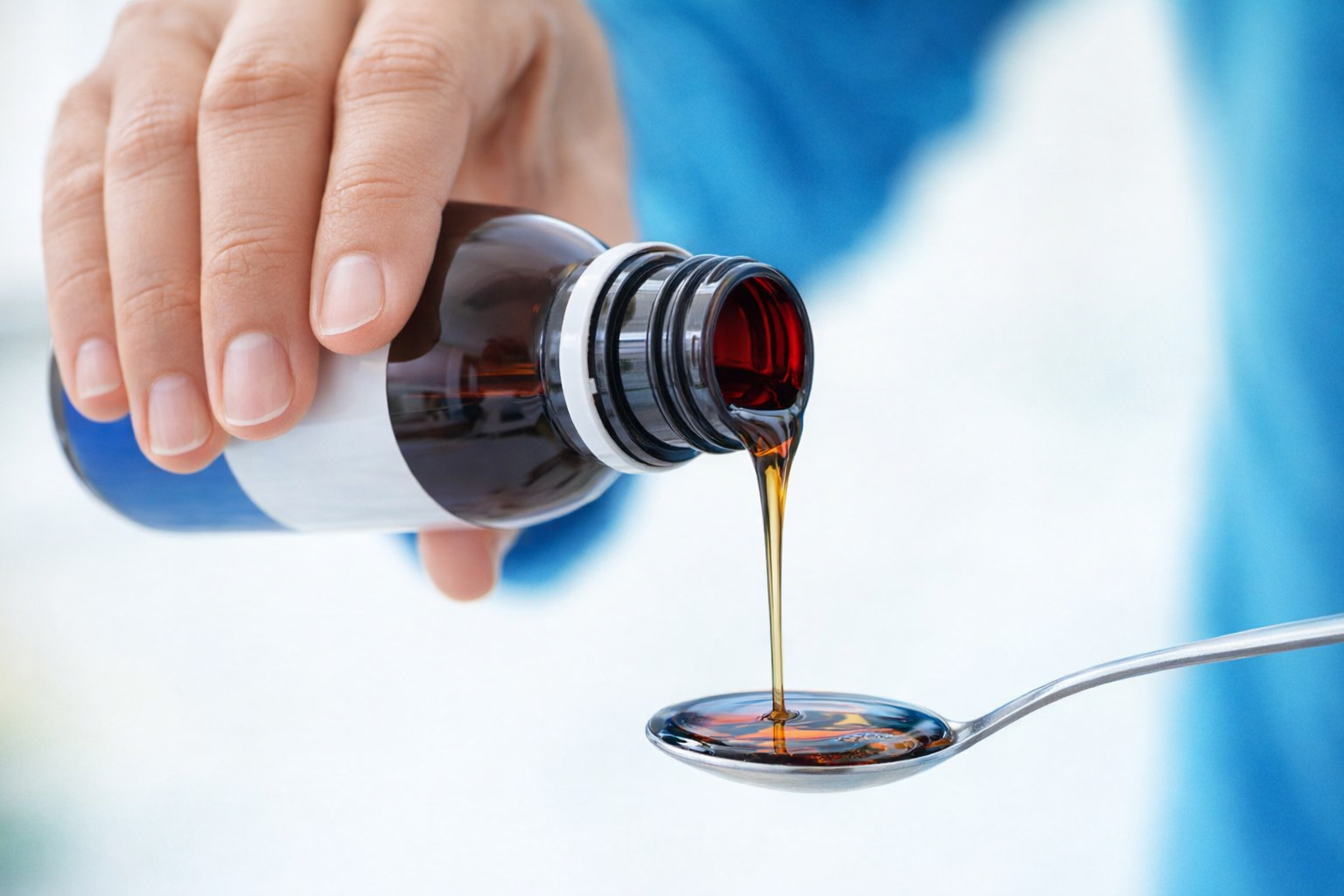
3.1 Important Attributes
There are important attributes when formulating a drug as an oral suspension; these attributes define the quality profile of the finished product.
The overall appearance of a drug product may not have an impact on efficacy or safety, but may certainly influence the attractiveness of the finished product. On the other hand, the appearance of a drug product can quickly indicate degradation if a change in color, smell, or texture is noticed.
The target concentration of the active ingredient may not deviate from an accepted percentage, which may vary according to the type of oral suspension. Tied to this is the uniformity of the suspension in a multidose container that ensures that the patient receives the correct dose every time. Stability studies are necessary to ensure that the concentration does not change from the time of manufacturing until the end of its shelf life.
▪️ Impurities, residual solvents, preservatives, dissolution, and particle size distribution are monitored to ensure the safety and performance of the final product.
▪️ Microbial attributes assess the safety of the drug product over time by measuring total aerobic microbial count, total yeast and mold count, and the absence of specific bacteria.
▪️ pH is an important attribute to ensure stability of the formulation.
▪️ Rheology behavior of the formulation will be a key parameter to achieve the above-mentioned homogeneity of the suspension, and its re-dispersibility of suspended particles when shaking before use is necessary. An acceptable viscosity and density range is provided to ensure homogeneity of the suspension.
3.2 Ingredients in an Oral Suspension
When developing a new formulation, scientists will build on the API characteristics and select the right excipients to obtain a drug product that will have all the important attributes previously identified.
Below are excipients, which may be used to obtain stability and dose uniformity in a drug product.
Suspending Agent
▪️ To optimize rheology
▪️ To obtain a homogeneous dispersion of the drug particles
▪️ To increase viscosity and decrease sedimentation rates
▪️ Different types: cellulosic, polymer, or gum
▪️ A combination of suspending agents can create a synergistic effect
Preservatives
▪️To maintain stability
▪️To ensure the safety of the final drug product
▪️To destroy or inhibit the growth of microorganisms
▪️The efficacy of preservatives is pH-dependent/specific
▪️A combination of preservatives can improve the overall antimicrobial activity
pH Buffering Agents
▪️To maintain a constant pH
▪️To improve stability, for example, by preventing hydrolysis
▪️Acid/conjugate base systems are widely used
▪️A minimal concentration is necessary to resist pH changes
Antioxidants and Chelating Agents
▪️To prevent oxidation and hydrolysis of the active ingredient and excipients
▪️ Oxidation and hydrolysis reactions can be catalyzed by traces of metal, light, or heat. There are physical and chemical methods to prevent degradation of material; the former includes using an amber bottle to protect the formulation from light, and a glass bottle is also less permeable to oxygen. Chemical methods include the addition of a chelating agent to trap traces of metal or the addition of an antioxidizing agent, which will react faster with oxygen than the ingredients in the formulation.
Wetting Agents
▪️To improve the wettability of the particles in suspension: adhesion, immersion, and spreading.
Sweetening Agents
▪️To improve taste and texture, masking the unpleasant taste of the active ingredient and excipients
▪️Bulk sweeteners are used to provide sweetness, body, and texture at high concentrations
▪️High-intensity sweeteners are used to provide sweetness and low calories
▪️Concentration is adjusted to the targeted sweetness
▪️To increase viscosity and density, playing the role of a suspending agent
Sweetening Agents
▪️To improve appearance
▪️To help identify taste with a corresponding color (for example, banana flavor and a yellow color combination)
Flavoring Agents
▪️To improve taste
▪️To mask an ingredient’s unpleasant taste
Analytical tests are performed to ensure that the formulation microstructure stability and integrity remain over time and across mixing, transfer, storage, and in-use stress; for example, droplet sizes and particle dispersion would be monitored.
4. Oral Solution and Syrup Formulations
Syrups are concentrated aqueous preparations of a sugar or sugar substitute with or without flavoring agents and medicinal substances. This dosage form is usually selected to provide systemic effects; indeed, the absorption from the gastrointestinal tract into the systemic circulation may occur more rapidly than from suspension or solid dosage forms of the same API.
Of course, the API must be soluble in an aqueous system for these formulations to perform. As discussed in our previous paper, knowledge gained from the characterization of the API will help the development team formulate the drug product in solution. The important characteristics to influence solubility are particle size, pH, and the ionic vs neutral form of the solute.
Stability of the API and excipients in solution must be assessed, not only their interactions with the solvent(s) but also interactions between API-excipients and excipient-excipient to ensure safety of the drug product over time.
Any water-soluble drug may be added to a flavored syrup; these syrups can be acidic, neutral, or basic; therefore, the appropriate syrup must be selected to ensure long-term stability of the active ingredient at the pH of the chosen syrup.
The drug compound can be in its neutral form or ionic form, the latter being generally more soluble in water. Small acidic or basic molecules are reactive towards strong acids or bases to yield their corresponding salts.
For example, the antihistamine diphenhydramine (Benadryl) is not water-soluble as a free base, but its corresponding ammonium salt is water-soluble (Figure 1), allowing the formulation of the antihistamine in solution to be administered to kids.
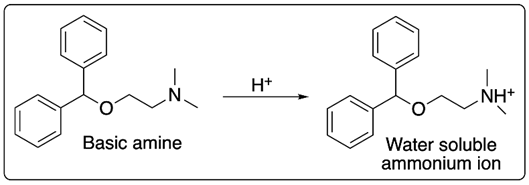
Figure 1. Reactivity and solubility of Benadryl in acidic solution.
However, because ethanol is toxic to the liver, its concentration must remain very low in any formulation (0.5% to 10% in OTC oral products). Therefore, ethanol is frequently used in combination with other solvents, such as glycols and glycerin, to reduce the amount of alcohol required. Ethanol is also used in liquid products as an antimicrobial preservative alone or with parabens, benzoates, sorbates, and other agents.
The solvent system needs to provide the correct concentration of the API in solution for the volume of a single dose to be manageable by the patient, for example, a teaspoon (5 mL) or a tablespoon (15 mL).
Additional agents are required to provide color, flavor, and sweetness, making the medication more attractive and palatable. These excipients are selected with consideration for compatibility and stability within the formulation.
Stabilizers are selected to maintain the chemical and physical stability of the medicinal agents, and preservatives are added to prevent the growth of microorganisms in the solution.
The formulation may also necessitate solubilizing agents, thickeners, or stabilizers.
5. Nasal Formulation (spray, ointment)
Nasal formulations offer easy and non-invasive administration, rapid onset of action, and reduced drug degradation compared to the gastrointestinal tract.
Indeed, systemic drug delivery is favorable through the intranasal route; the nasal cavity has extensive vascularization and a reasonably large surface area. The drug is absorbed through the nasal mucosa, reaching circulation and allowing the drug to produce its therapeutic effects rapidly.
In addition to systemic delivery, the intranasal route can enable direct delivery of drug molecules to the central nervous system (CNS), reducing potential degradation and allowing lower therapeutic doses.
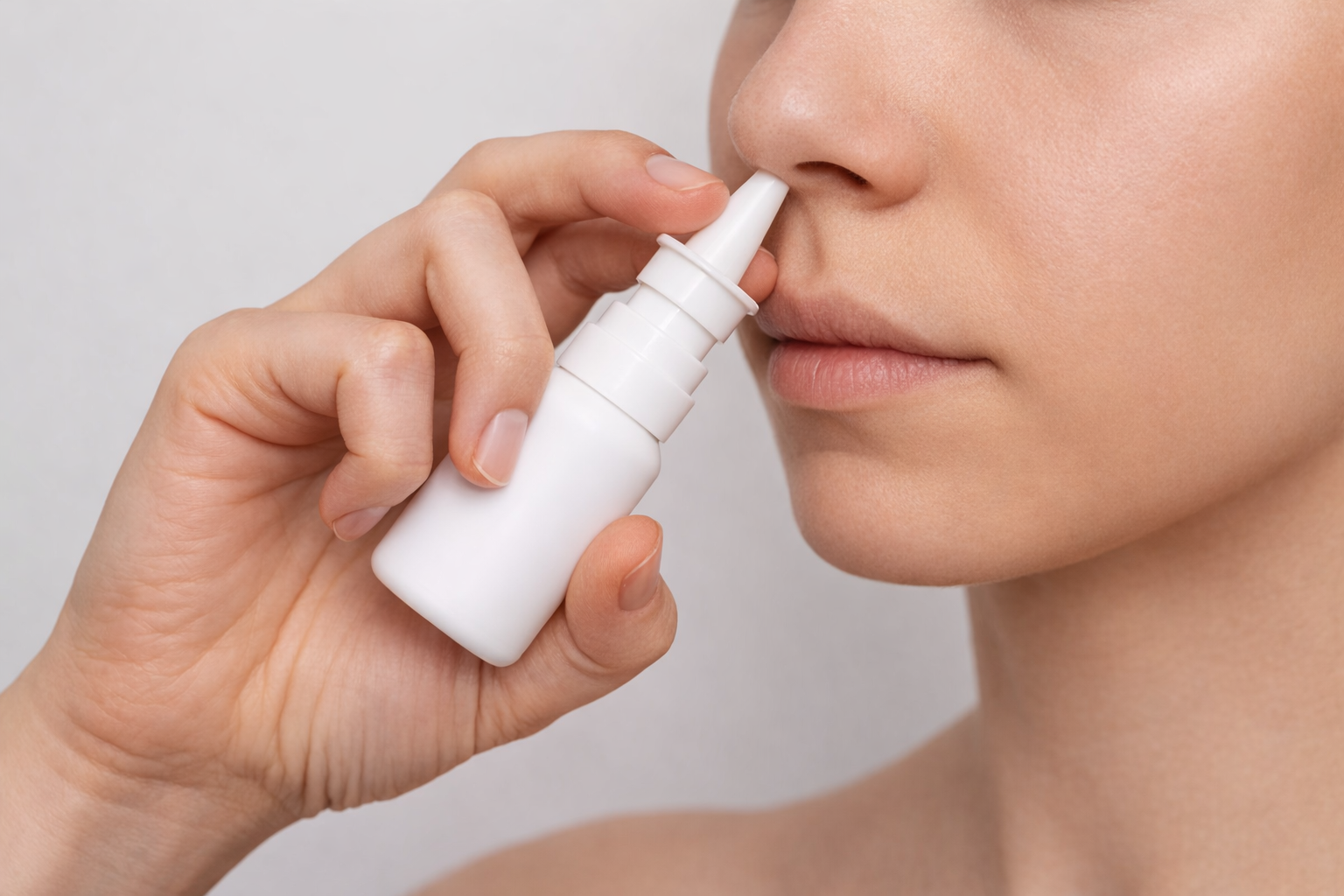
The downsides of the intranasal route are the small volume that can be administered (up to 150 mL per nostril) and the influence of the nasal environment on drug absorption. Mucociliary action, enzymatic activity, and local irritation can all impact retention in the nasal mucosa.
Particle size is a critical parameter and should generally be greater than 10 µm to prevent deposition in the respiratory tract while allowing retention in the nasal mucosa.
Mucoadhesive excipients may be required to improve nasal residence time and drug absorption. Drug solubilization and absorption can also be enhanced using strategies such as prodrugs, absorption enhancers, enzymatic inhibitors, or nanometric drug transport systems.
To minimize irritation and avoid disruption of mucociliary function, nasal formulations should be physiologically compatible, favoring aqueous isotonic solutions at physiological pH.
Because dose volumes are very small, the concentration of the API must be carefully defined based on the delivered volume. Viscosity also requires careful optimization: overly viscous formulations may impair spray atomization, while low‑viscosity formulations may drip out of the nasal cavity before absorption.
Viscosity‑modifying agents and gel‑based formulations can help improve nasal retention and overall performance.
Nasal mucociliary clearance ultimately determines drug residence time and absorption profile. As the nasal mucosa is highly sensitive, drug safety cannot be compromised when optimizing nasal drug formulations.
6. Scale-Up and Lifecycle: Making Formulations Manufacturable
Pre-formulation studies and API characterization are important to develop an optimal formulation. Many stability problems can be avoided by selecting the right excipients, favoring positive chemical and physical interactions with the drug substance and between each formulation component.
Undesired interactions lead to the formation of degradation products, which affect the purity, efficacy, and safety of a drug product. Stability and shelf-life are directly linked.
Rheological performance cannot be overlooked; the product must exhibit the correct thixotropy to enable manufacturability (including mixing, pumping, filling) while ensuring acceptable patient application and adhesion.
At Groupe PARIMA, scale-up planning focuses on defining a reproducible process window by controlling shear, temperature, and hold times so the formulation microstructure and critical quality attributes remain consistent from pilot to commercial batches.
Unlike oral solids, semi-solids are highly sensitive to process perturbations; the scale-up stage will require careful planning. During scale-up, changes in shear rates, thermal gradients, or process time can irreversibly alter the microstructure, compromise the efficacy and stability of the final product, or even lead to API segregation.
7. Key takeaways and next steps
A successful formulation must remain stable, manufacturable, and controlled throughout scale-up and the product lifecycle.
▪️Formulation selection is driven by API properties and the intended route of administration.
▪️Excipients influence bioavailability, stability, and overall safety.
▪️Oral liquid formulations require strict control of microbial quality.
▪️Dermal and nasal formulations must balance performance, tolerability, and patient use.
▪️Scale‑up is a critical step in ensuring consistent quality and long‑term product success.
From early formulation decisions to scale-up and lifecycle management, a structured formulation strategy helps reduce risk, support regulatory compliance and ensure manufacturability as products move from development to commercialization.
Ready to move from formulation design to scalable manufacturing? Our teams support non-sterile drug product development across dermal, oral liquid, and nasal dosage forms.